
- HOME
- 200 Hour Yoga Teacher Training Course
200 Hour Multi Style Yoga TTC
200 Hour Yoga Teacher Training Course in Rishikesh
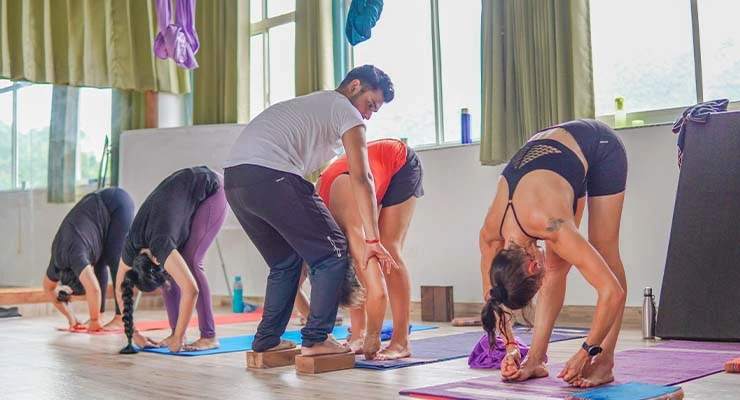
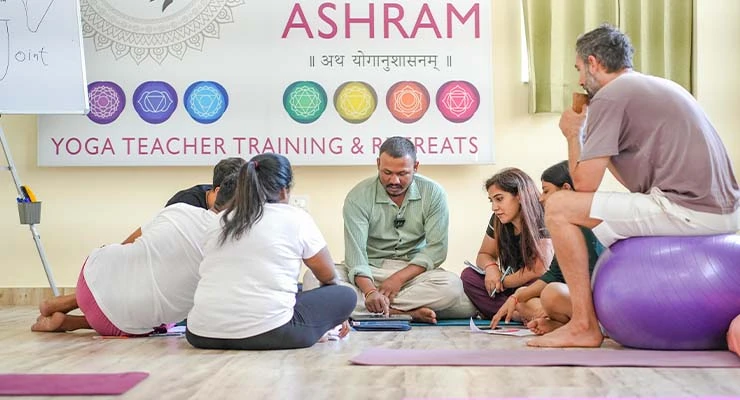
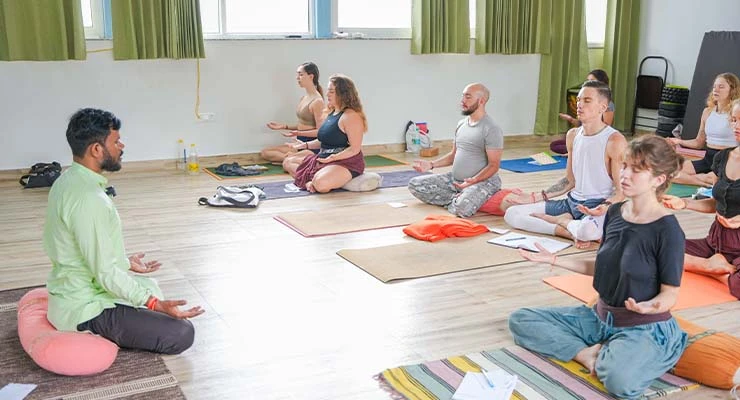
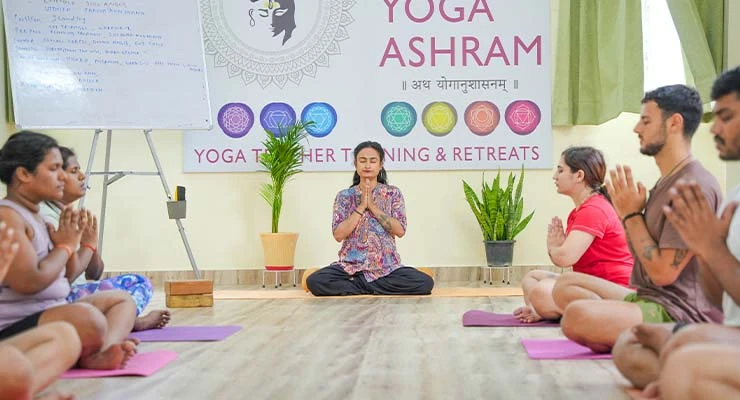
Additional Information
By enrolling in this training, you will gain access to several key benefits:
- Get certified as a yoga teacher by one of the leading yoga schools in Rishikesh.
- Improve your knowledge of yoga asanas, breathing techniques, meditation, and yoga philosophy.
- Enhance your physical and spiritual practice of yoga with professional help.
- On successful completion, receive a 200-Hour Yoga Teacher Training Certificate.
- Become eligible to to join any 300 hour yoga teacher training program.
- Become part of a group of committed yoga students and people with similar interests.
- Check-in Date 1st of the month (Food and Accommodation Included).
- Opening Ceremony and Orientation Program will be on 2nd.
- Regular classes will run from 3rd.
- 7 Hour Class/Day, 70 Contact Hour
- Certificate Distribution on 13th.
- Check-out Date on 13th.
- Open to both Beginners and Intermediate students.
- Offered in a residential format.
- Accompanied by a team of experienced teachers.
- A basic level of English proficiency is necessary.
- Comprehensive amenities, including books, notes, manuals, all classes, excursions, and taxi pick-up, are provided.
- The school ensures unlimited support for its students.
Course Details
Course Highlights
Tuition Only
(Excludes Food & Accommodation)
- 28 Days Program
- Certification-Yoga Alliance
- Study Material Included
- 28 Days Program
- Certification-Yoga Alliance
- Study Material Included
- 3 Yogic Meals
- 28 Days Program
- Certification-Yoga Alliance
- Study Material Included
- 3 Yogic Meals
- 28 Days Program
- Certification-Yoga Alliance
- Study Material Included
- 3 Yogic Meals
Course Schedule*
| Class | Time | |
|---|---|---|
| Wake Up | : | 05:00 AM |
| Hatha Yoga Asana | : | 05:30-07:00 |
| Shatskarma & Pranayama | : | 07:00-08:00 |
| Dhyan (Meditation) | : | 08:00-09:00 |
| Breakfast Time | : | 09:00 |
| Anatomy & Physiology | : | 10:30-11:30 |
| Class | Time | |
|---|---|---|
| Free-time | : | 11:30-12:30 |
| Lunch Time | : | 13:00 |
| Yoga Darshan/Philosophy | : | 15:00-16:00 |
| Ashtanga-Vinyasa Asana | : | 16:00-17:30 |
| Posture Alignment & Methodology | : | 17:30-18:30 |
| Dinner Time | : | 19:00 |
What does and doesn't the course fee include?
- 25 Nights Stay: Private or shared or dorm rooms.
- Daily Meals: 3 Veg meals & herbal tea.
- Study Kit: Manuals, cleansing material & stationery.
- Free Session: Aerial,Yin & Sound Healing.
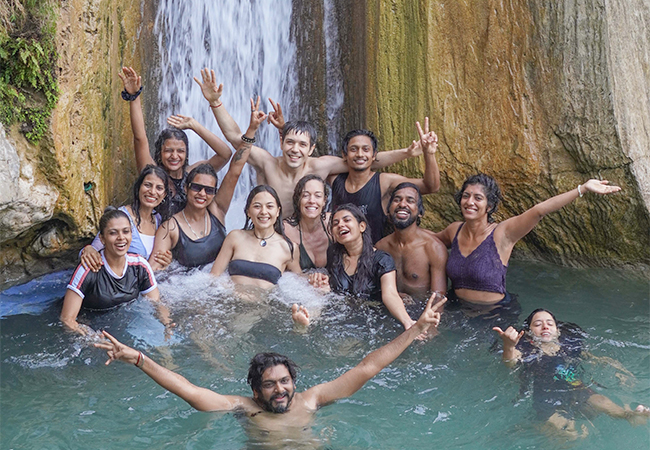
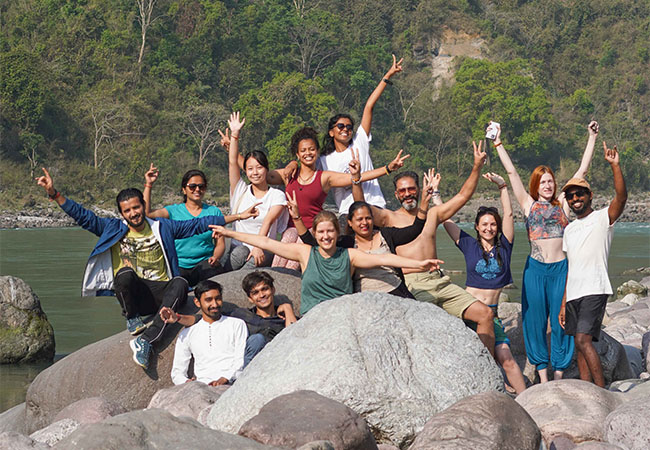
- Weekend Trips: Local sights & excursions.
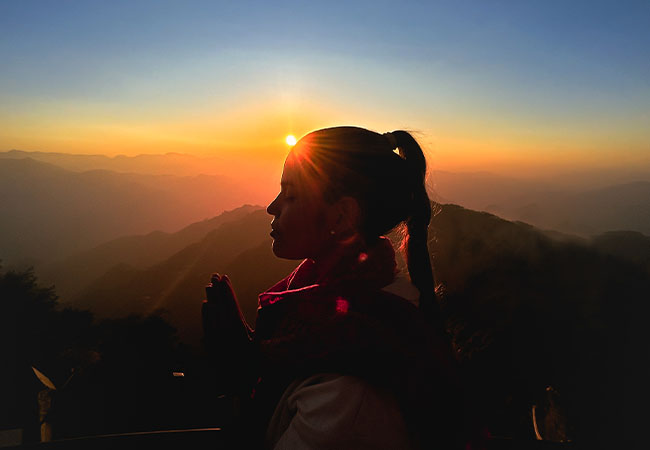
- Sunrise Trip: Himalayan mountain view.
- Free Pickup: From DED Airport (Private/Twin).
- Air-conditioning/Heater (Available at an additional charge)
- Ayurvedic Massages, Treatments, and Healing Sessions/Training/Ayurveda Consultation
- Visa fee, Airfare, and Taxi pick-up from Delhi or Haridwar Railyway Station
- Personal Towel
- Personal Hygiene Materials
Sample Certificate
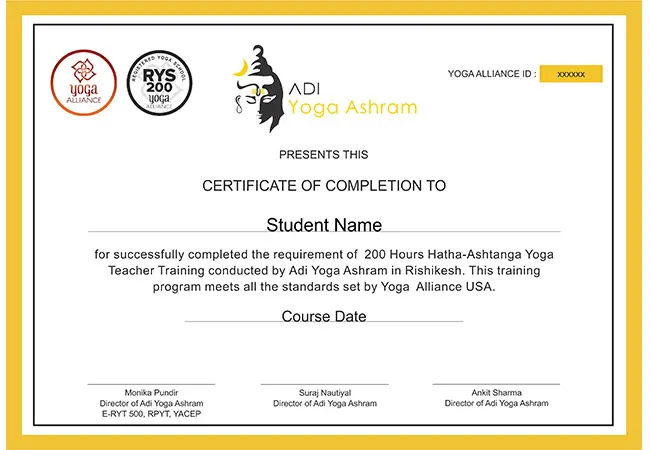
Certification: RYT 200 (Yoga Alliance, USA)
Eligibility & Requirements - 200 Hour YTT Course
Course Syllabus - 200 Hours Yoga Teacher Training
Course Syllabus - 200 Hours Yoga Teacher Training
The primary series (Yoga Chikitsa) follows a specific order of poses to ensure that students warm up every part of the body and develop the strength and flexibility needed to progress to more challenging poses.
Surya Namaskar (Sun Salutations)
- Surya Namaskar A (9 Vinyasas)
- Surya Namaskar B (17 Vinyasas)
- Breath and movement synchronization
- Building internal heat and stamina
Finishing & Inversion Sequence
- ntroduction to traditional finishing postures
- Shoulder stand and inversion awareness
- Headstand preparation and balance
- Nervous system relaxation and cooling down
Standing Series
- Foundation and structural alignment
- Hip opening and spinal extension
- Balance and concentration practices
- Warrior and balancing postures
Alignment & Adjustment
- Introduction to the Tristhana Method
- Ujjayi breath & Drishti
- Safe alignment and posture modifications
- Hands-on adjustment techniques
Seated Series
- Forward folds and spinal flexibility
- Twisting postures for detoxification
- Hip-opening and seated balancing postures
- Core strength and upper body stability
The Hatha Yoga module familiarizes students with the classical yogic method. Asana is viewed as a state of being steady and perceiving inwardly. The practice is based on one of the most ancient yogic systems. It works on purifying the physical body, balancing the solar (Pingala) and lunar (Ida) energies, developing an ever-increasing sensitivity to breath as a fundamental aspect of practice, and preparing the body-mind construct for spiritual growth.
Yogic Foundations
- Introduction to the traditional principles of Hatha Yoga
- Understanding breath, posture, and awareness in practice
- Surya Namaskar (Sun Salutation)
- Chandra Namaskar (Moon Salutation)
- Prepratory practices from Pawanmuktasana Series
Sequencing & Practice Flow
- Standing sequences
- Sitting and supine sequences
- Hip-opening and twisting sequences
- Forward bending and backbend sequences
- Understanding foundational sequencing principles
Asana Categories
- Standing postures for grounding and stability (such as Trikonasana and Virabhadrasana)
- Vajrasana group and kneeling practices (such as Ustrasana and Mandukasana)
- Forward bending postures (such as Paschimottanasana and Janu Sirsasana)
- Backward bending postures (such as Bhujangasana and Dhanurasana)
- Twisting and spinal mobility practices (such as Ardha Matsyendrasana)
- Hip-opening postures (such as Baddha Konasana and Upavistha Konasana)
- Balancing postures and concentration training (such as Vrikshasana and Garudasana)
- Introduction to inversions (such as Sarvangasana and Halasana)
- Relaxation and restorative postures (such as Shavasana and Makarasana)
Shatkarma are practices that help facilitate the removal of waste and toxins from the body. The benefits of these practices are said to include an improved sense of well-being, mental clarity, lightness of the body, increased energy flow, and enhanced breathing.
- Introduction to the concept of Shatkarma
- Theoratical understanding of purification practices
- Benefits, safety precautions, and general practice guidelines
- Jala Neti (nasal cleansing with saline water)
- Sutra Neti (nasal cleansing with rubber catheter)
- Sutra Neti (nasal cleansing with rubber catheter)
- Vaman Dhauti / Kunjal Kriya (stomach cleansing practice)
Subtle Body & Energy Practices
Chanting mantras is a fundamental element of yoga that incorporates sounds, frequencies, and repetitions to focus the mind, achieve mental peace, and develop spiritual awakening. Students are taught how to recite, when to recite, and the impact of reciting common mantras from ancient Vedic texts.
- Introduction to mantra chanting and sound vibration
- Correct pronunciation and breath coordination
- Traditional opening and peace mantras
- Patanjali Invocation Mantra
- Gayatri Mantra
- Maha Mrityunjaya Mantra
- Aum Namah Shivaya
- Food prayer and gratitude mantra (Aum Brahmarpanam)
- Universal peace and wellbeing mantras
Pranayama is an ancient practice developed by yogis to regulate life energy, also known as prana, throughout the body. These breathing techniques help create a deeper connection between the breath and the mind, preparing the practitioner for meditation and inner awareness.
Foundations of Pranayama
- Historical understanding of pranayama
- Introduction to prana and the pranic body
- Five major pranas and energetic functions
- Nadis: Ida, Pingala, and Sushumna
- Four aspects of pranayama practice
Traditional Pranayama Techniques
- Surya Bhedana & Chandra Bhedana
- Nadi Shodhana (alternate nostril breathing)
- Ujjayi Pranayama
- Kapalbhati cleansing breath
- Bhastrika Pranayama
- Sheetali & Sheetkari Pranayama
- Bhramari Pranayama
Breath Anatomy & Nervous System
- Basic anatomy of the respiratory system
- Diaphragm function and breathing mechanics
- Understanding the nasal cycle
- Sympathetic and parasympathetic nervous system
- Breath and nervous system regulation
Practice Challenges & Teaching Methodology
- Stress and breathing patterns
- Role of exhalation and relaxation
- Common breathing difficulties
- Common issues faced by students
- Teaching progression and sequencing
- Voice modulation and class guidance
Breathing Awareness Practices
- Abdominal (diaphragmatic) breathing
- Thoracic breathing
- Clavicular breathing
- Full yogic breathing
Meditation in yoga implies moving from endless mental fluctuations to inner quietness and mindfulness. Using techniques of meditation, practitioners are taught to watch their thoughts, control their breathing, focus on the present, and over time, heighten their self-awareness that is independent of thoughts and feelings.
Foundations of Meditation
- Introduction to meditation and inner awareness
- Brief Origin and historical understanding of meditation
- Meditation within the Eight Limbs of Yoga
- Do’s and don’ts of meditation practice
- Grounding and emotional balance
- Ajapa Meditation
- Yoga Nidra
- Trataka Meditation
- Silence Practice
- Antar Maun (Inner Silemce Meditation)
- Meditation Pose
Meditation Postures, Mudras & Drishti
- Traditional meditation sitting postures
- Chin Mudra, Gyan Mudra, Yoni Mudra, and Dhyan Mudra
- Shambhavi Mudra and Nasikagra Drishti
- Meditation Pose
Meditation Techniques
- Breath awareness meditation
- AUM chanting meditation
- Japa & Ajapa meditation
- Walking meditationn
- Drawing meditationn
- Dynamic meditation practices
- Trataka (candle gazing meditation)
- Yoga Nidra and guided relaxation
- Body scan and 31-point awareness practice
- Yog Nidra
- Mindfulness and observational awareness practices
Relaxation Concepts & Discussion
- Shavasana and prone relaxation position
- 1:2 calming breath for stress and panic regulation
- Barefoot grounding and nature awareness
- Salt bath and energetic cleansing concepts
Human Science & Biomechanics
The anatomy part of the course is designed to give you a functional understanding of how your body moves, breathes, stabilizes, and responds in a yoga setting. We use modern anatomical concepts and merge them with yogic practice to enhance alignment awareness, movement efficiency, posture, and injury prevention.
Foundations of Human Anatomy
- Anatomical planes and directional movements
- Types of joints and joint mobility
- Fundamental anatomical movements in yoga
- Relationship between muscles, posture, and movement
- Understanding posture and body alignment in yoga practice
Skeletal System & Structural Alignment
- Structure and function of the spine
- Natural curves and deformities of the spine
- Pelvic alignment and stability
- Knee structure and movement mechanics
- Tendons, ligaments, and connective tissues
Muscular System & Functional Anatomy
- Introduction to major muscle groups used in yoga
- Shoulder and upper back muscles
- Arm muscles
- Chest and abdominal muscles
- Hip flexors and pelvic muscles
Physiology & Internal Systems
- Respiratory system and breath mechanics
- Nervous system and stress response
- Digestive and circulatory systems
- Endocrine system and hormonal balance
- Introduction to chakras and energetic body awareness
Applied Yoga Anatomy
- Alignment awareness in yoga postures
- Understanding muscle engagement and stretching
- Stability, mobility, and balance in asana practice
- Injury prevention and safe movement principles
Yoga Humanities & Philosophy
Yoga philosophy provides the spiritual and intellectual foundation of yogic practice. Students are introduced to the essential teachings of Sanatana Dharma, classical yogic texts, and the traditional paths of yoga that guide self-discipline, inner growth, and conscious living.
Foundations of Yogic Philosophy
- Introduction to Sanatana Dharma and yogic traditions
- Overview of important scriptures of Sanatana Dharma
- Definition of yoga according to Yoga Sutras and Bhagavad Gita
Yogic Life & Human Development
- The four stages of life (Ashramas)
- Brahmacharya
- Grihastha
- Vanaprastha
- Sannyasa
- The four Purusharthas
- Dharma
- Artha
- Kama
- Moksha
Traditional Paths of Yoga
- Introduction to the major paths of yoga
- Karma Yoga – the path of action
- Jnana Yoga – the path of wisdom and self-inquiry
- Bhakti Yoga – the path of devotion
- Raja Yoga – the path of meditation and mental discipline
- Hatha Yoga – balancing body and pranic energies
- Mantra Yoga – the science of sound and vibration
Raja Yoga & Eight Limbs
- Introduction to Raja Yoga philosophy
- Study and discussion of the Eight Limbs of Yoga
- Ethical foundations and yogic discipline
Assessment Criteria for 200 Hour Yoga Teacher Training Program
Assessments Are Based On:
- Written examinations
- Practical teaching performance
- Attendance and punctuality
- Professional behavior and discipline
Why Adi Yoga Ashram for Your 200-Hour YTT?
Experienced Teachers with Traditional Teaching
Small Group Learning Experience
Integrated Campus
Supplementary Yoga and Healing Sessions
Sattvic-Rajsik Vegetarian Meals
Comfortable Accommodation
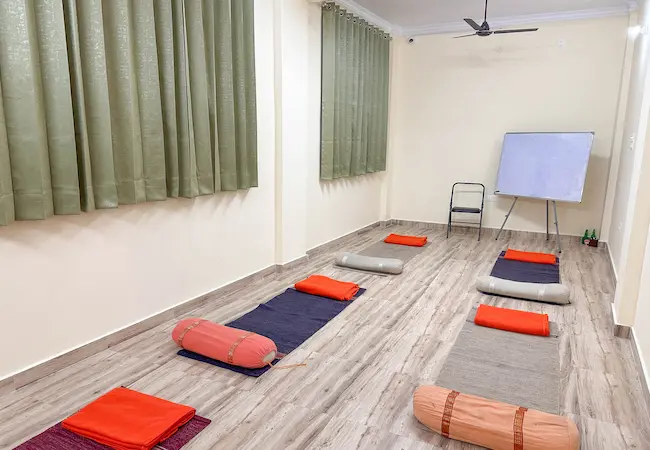
Spacious and Air-Conditioned Yoga Halls
Sunrise View from the Yoga Hall
Fully Equipped Practice Props
Clean and Maintained Practice Environment
Student Accommodation & Facilities in Rishikesh
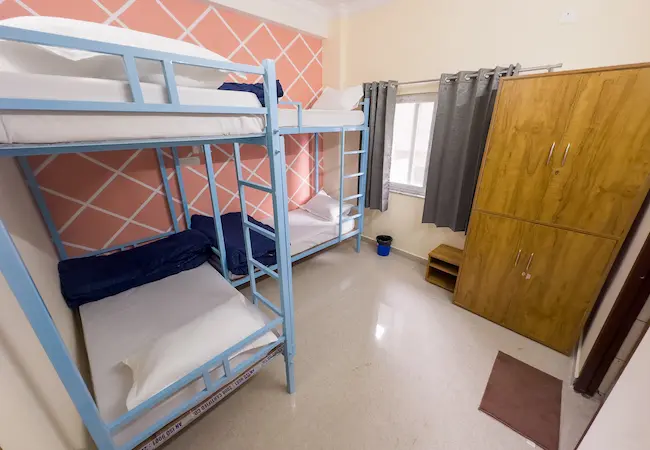
- Room Size: 11 × 11 ft to 12 × 12 ft (≈ 12–13 m²)
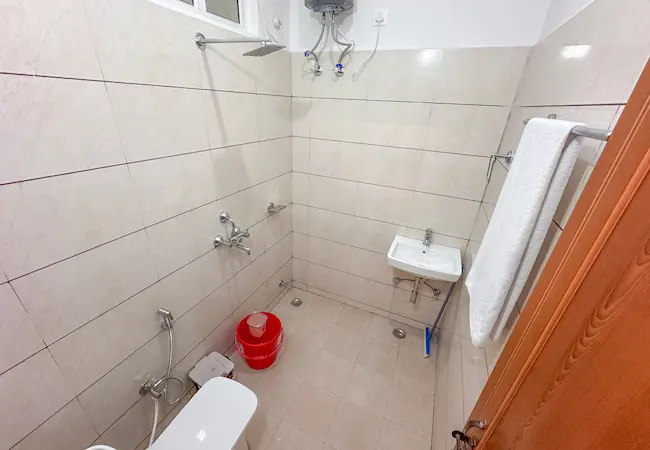
- Bathroom: Attached, 3 × 6 ft to 5 × 6 ft with (electric water heater), western toilet, and standard shower fittings.
- Beds: Private (6 x 6 ft) ,Twin Shared (2 × single 6 × 3 ft); Dorm (2 Bunk beds 6 x 3) foam mattresses medium firmness, polyester fiberfill Pillow medium firmness
- Storage: One Cupboard/Room (6′10″ × 3″) shared by students
*Layouts may vary slightly between rooms in the same category.


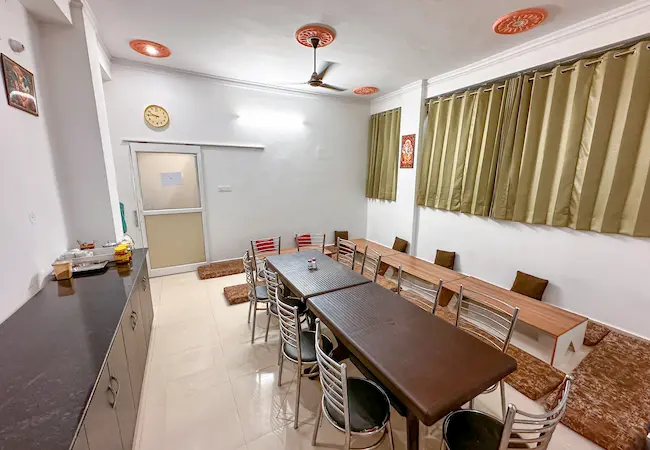


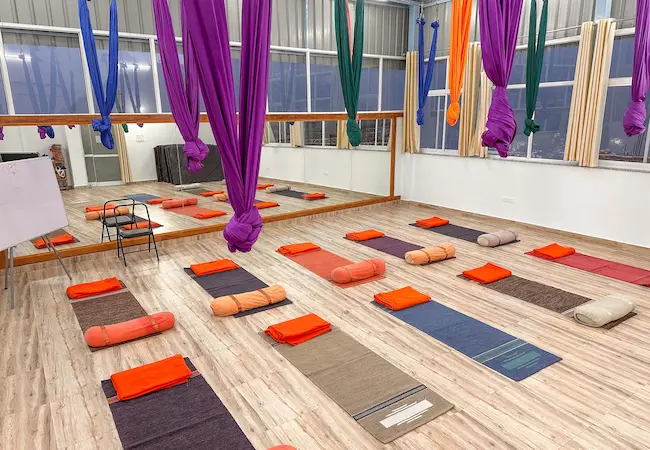
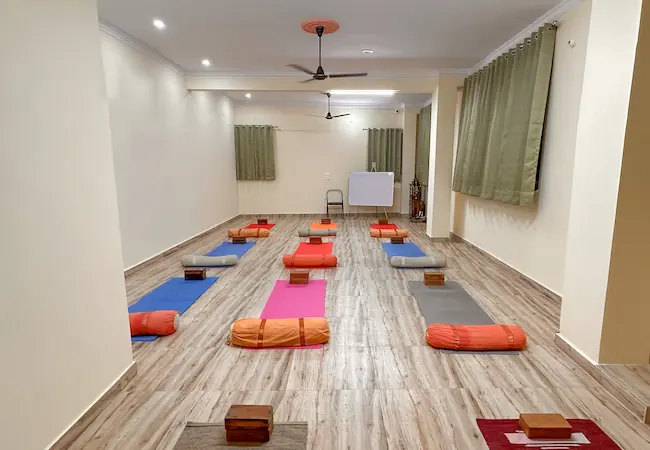
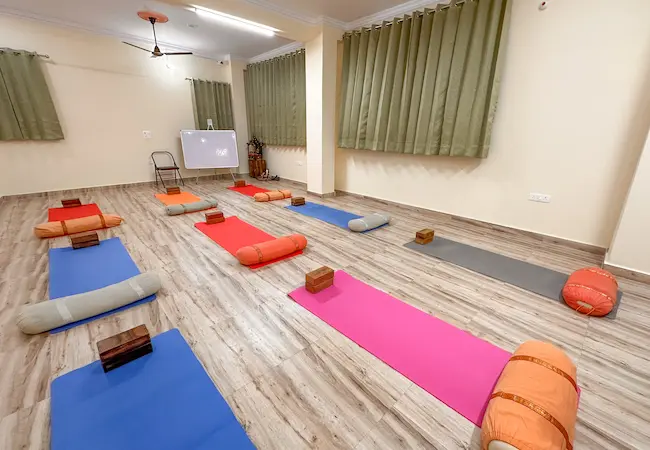
Facilities/Amenities
- 3 AC Yoga Studios
- In-Room AC (Chargeable)
- Free Wi-Fi ~40–60 Mbps
- Dining Area
- Shared Student Fridge (Dining Area)
- Terrace
- Purified Drinking Water (Hot, Cold & Normal)
- Nearby Laundry Facilities (5-min walk)
- Attached Bathroom
- Electric Geyser
- Shower
- Study Desk and Chair
- Storage Cupboard
- Linen Change Every 3rd Day
- Weekly Housekeeping
Meals
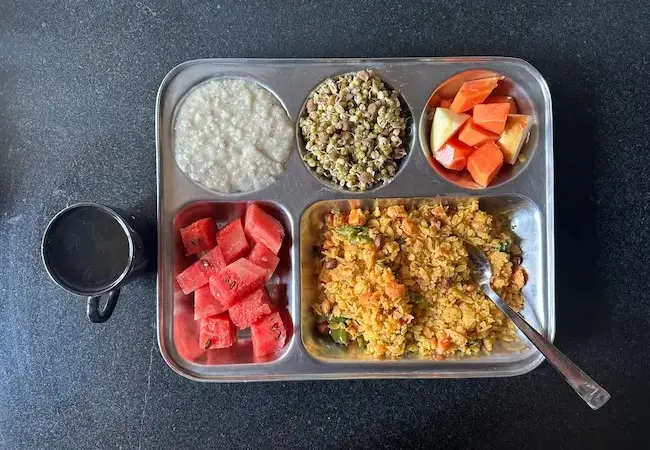
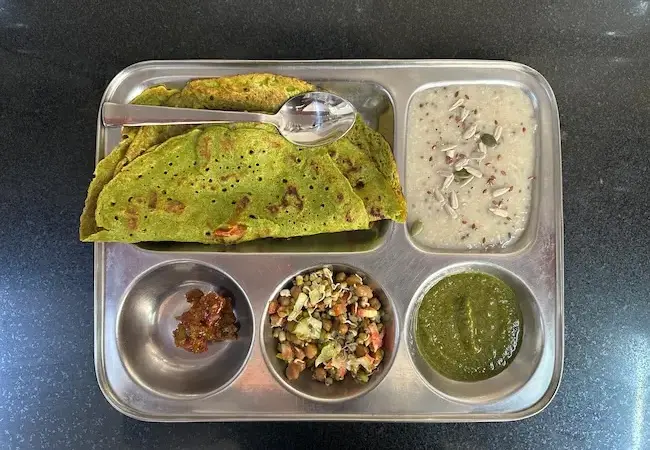
- Breakfast: includes oats, fruits, sprouts and dishes like poha, idli, or dosa, rolls etc.
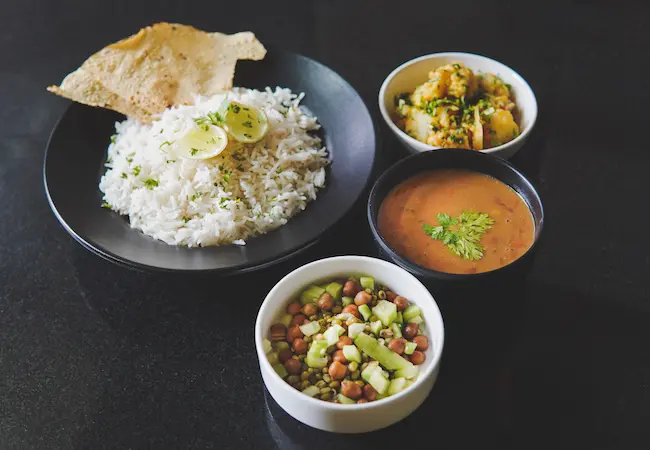
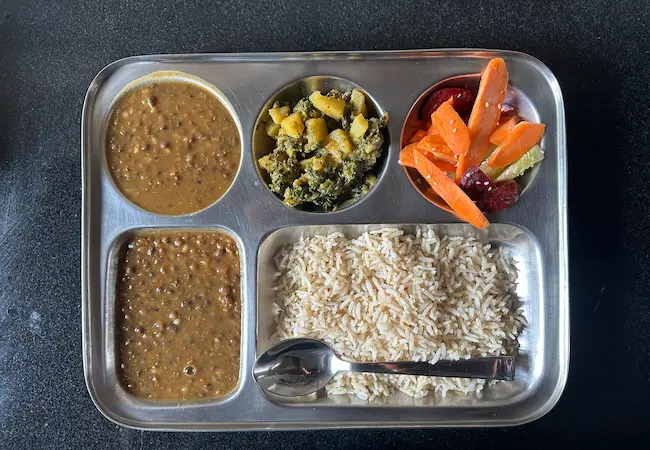
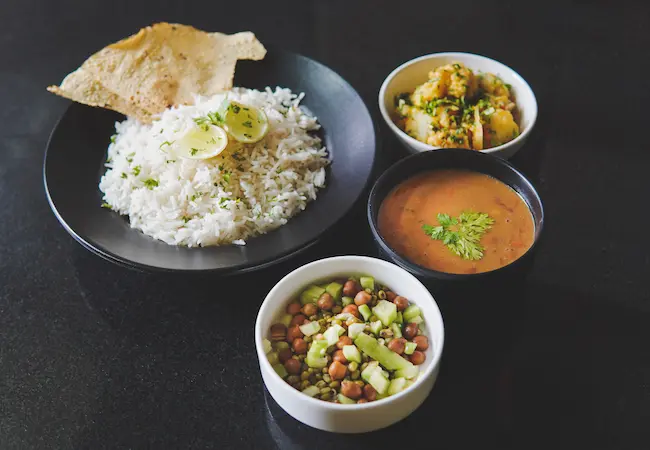
- Lunch: offers rice with lentils, seasonal vegetables, and salad.
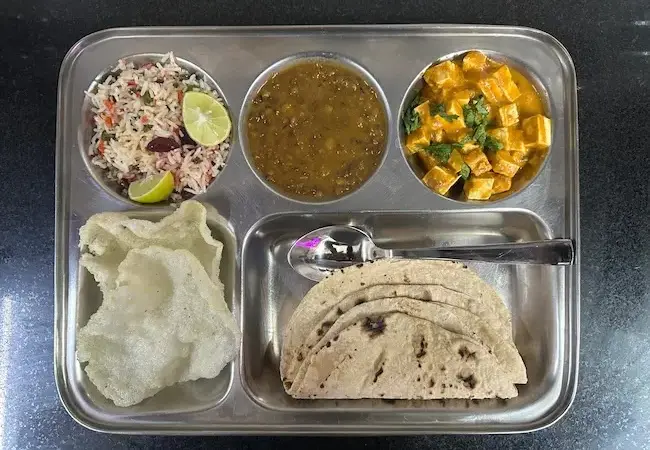
- Dinner: is light and comforting with soup , Chapati & Rice, lentils, Occasional sweets, herbal tea, and seasonal vegetables.
- Highlight: No onion, no garlic, Prepared with minimal oil, Balanced with protein, carbs, and micronutrients


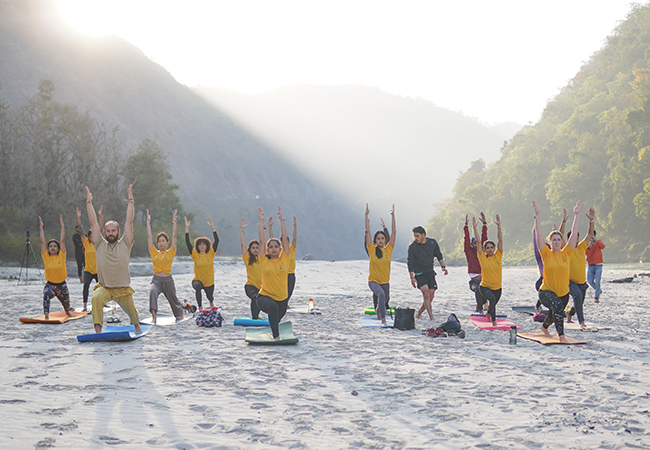
Excursion Included In This Course
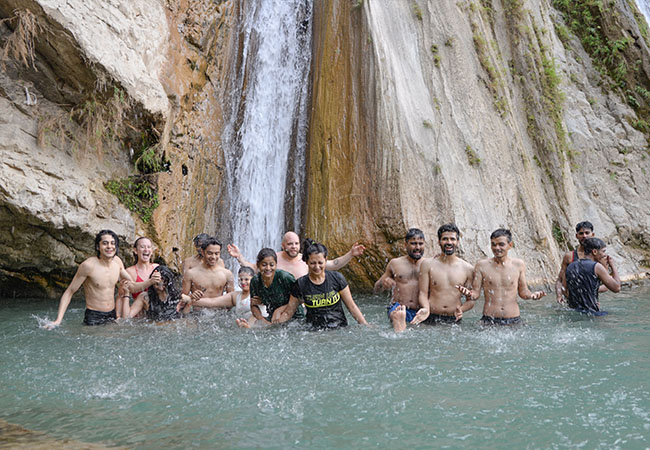

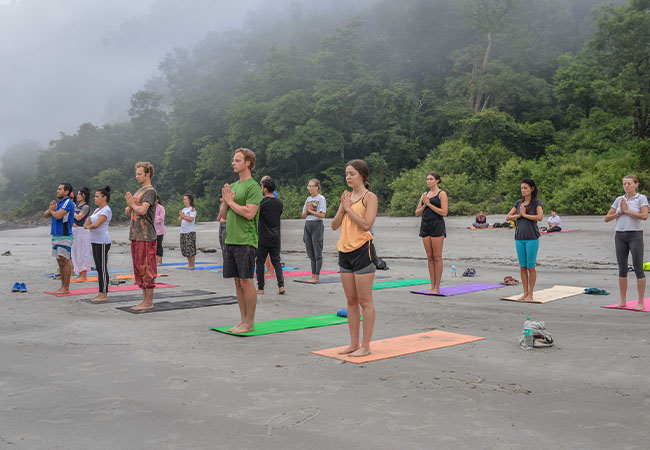

"Yoga is knowledge that illuminates"
Course Dates - 200 Hours Hatha Ashtanga Yoga Program
Note:- Please note that during major Indian holidays, including Diwali, Holi, and Raksha Bandhan, classes will be paused and will not follow the regular schedule. To accommodate these breaks, the course graduation date may be extended by one day.
- Discount Offers: Take advantage of our offers! These discounts are designed to support your yoga journey and make your training more accessible. Please read the guidelines carefully to understand how and when each offer can be applied.
🎁 Early Bird
Book your course at least 20 days before the start date and receive 10% off your total fee.
🎁 Enroll Together (Friends Discount)
Sign up together with a friend and you both receive 12% off.
🎁 Birthday Month Discount
If your course falls in your birthday month, enjoy additional 2% off as our gift to you!.
🎁 Group Discount
Enroll as a group of 4 or more and get 14 to 20% off per person..
| Dates | Availability | Quad Dorm | Twin Shared | Private | Book Now |
|---|---|---|---|---|---|
| 02-January-2026Discount! | Seats Available | 500Rs | 1000Rs | 1500Rs | Book Now |
| 02-January-2026Discount! | Seats Available | 500Rs | 1000Rs | 1500Rs | Book Now |
| 02-January-2026Discount! | Seats Available | 500Rs | 1000Rs | 1500Rs | Book Now |
| 02-January-2026Discount! | Seats Available | 500Rs | 1000Rs | 1500Rs | Book Now |
| 02-January-2026Discount! | Seats Available | 500Rs | 1000Rs | 1500Rs | Book Now |
| Dates | Availability | Quad Dorm | Twin Shared | Private | Book Now |
|---|---|---|---|---|---|
| 02-January-2026Discount! | Seats Available | 500Rs | 1000Rs | 1500Rs | Book Now |
| 02-January-2026Discount! | Seats Available | 500Rs | 1000Rs | 1500Rs | Book Now |
| 02-January-2026Discount! | Seats Available | 500Rs | 1000Rs | 1500Rs | Book Now |
| 02-January-2026Discount! | Seats Available | 500Rs | 1000Rs | 1500Rs | Book Now |
| 02-January-2026Discount! | Seats Available | 500Rs | 1000Rs | 1500Rs | Book Now |
Frequently Asked Questions
Having a 200-hour certification is the basic requirement for being able to obtain liability insurance and apply for teaching positions at yoga studios, gyms, and wellness retreats around the world. Throughout the course, you will receive real-world teaching practice to help you graduate with greater confidence and practical experience. At the same time, consistent self-practice, continued learning, and personal experience remain essential parts of becoming a skilled teacher.
While this certification is the minimum qualification required to begin teaching (unless you are already an experienced teacher), the yoga field is highly competitive, so confidence and teaching experience become extremely important and develop gradually through regular practice and continued learning.